
Modern Endodontics & Apicoectomies
Root canal treatment often carries an outdated, fear-inducing reputation. However, modern endodontics has significantly evolved, transforming the patient experience from historical perceptions. We understand these concerns and aim to provide a clear understanding of contemporary procedures.
Dispelling Root Canal Myths: A Modern Patient Experience
Today, a root canal procedure is comparable to a routine dental filling, thanks to advanced techniques and effective local anaesthesia. Our priority is your comfort, and anaesthesia ensures any discomfort during the procedure itself is minimal. We address pain expectations honestly. While the procedure is comfortable, mild tenderness or sensitivity is common for one to three days afterward. This is typically managed with over-the-counter pain relievers. We provide detailed post-treatment care. Our goal in Ioannina is a smooth, comfortable experience, preserving your natural tooth.
Precision and Efficiency with Mechanised Systems
The field of endodontics has advanced significantly, especially in the tools we use for root canal preparation. Historically, root canals were shaped with manual hand files. While effective, this method relied heavily on the operator’s tactile feel and was often time-consuming.
Today, we use advanced rotary and reciprocating mechanised systems. These instruments allow us to shape the root canal system with greater precision and consistency. The mechanical action of these files ensures uniform and predictable canal preparation, which is crucial for thorough cleaning and filling. This efficiency contributes to a smoother procedure and supports a more predictable, successful long-term outcome.
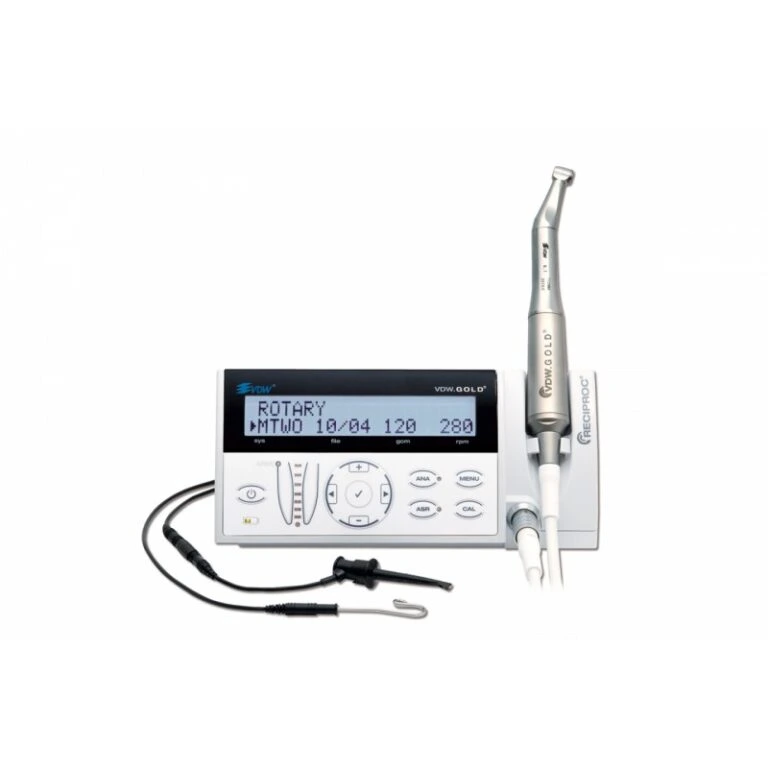
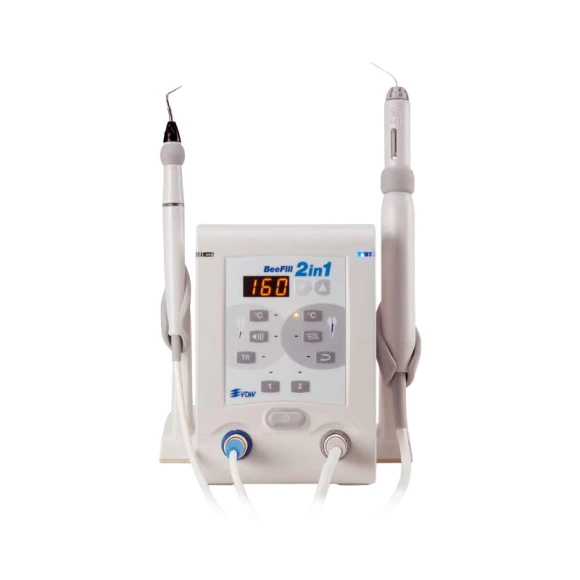
The doctor personally performs all clinical work, employing these modern mechanised systems to provide a high standard of care for our patients.
The Critical Role of Laser-Assisted Disinfection
Thorough disinfection of the root canal system is essential for successful endodontic treatment. While mechanical shaping, often aided by mechanised rotary systems, effectively removes infected tissue and debris, the intricate anatomy of root canals can make some areas challenging to clean with instruments alone. These areas include lateral canals and dentinal tubules. Effective disinfection is key to preventing future complications.
This is where laser-assisted disinfection techniques become important. Lasers enhance the cleaning process by delivering energy that reaches deep into the most complex regions of the root canal system. The targeted laser energy effectively eliminates bacteria and disrupts biofilms, which are primary causes of persistent infection. This goes beyond what mechanical cleaning alone can achieve.
By ensuring a more comprehensive elimination of pathogens, laser-assisted disinfection significantly reduces the risk of reinfection. This approach contributes to more predictable and successful long-term outcomes, preserving the natural tooth more effectively and supporting overall oral health.
Apicoectomy: A Surgical Option for Complex Cases
Sometimes, an infection may persist despite thorough non-surgical root canal treatment or retreatment, or anatomical complexities may prevent complete healing. In such instances, an apicoectomy offers a surgical solution to save the tooth. We consider this procedure when conventional approaches have been exhausted or are insufficient.
An apicoectomy involves a small incision to access the bone and the infected root tip. We carefully remove the end of the root, along with any surrounding infected tissue. The root canal within the remaining root is then sealed from below using a biocompatible material. This microsurgical approach addresses the problem directly at its source.
This procedure can preserve a natural tooth that might otherwise require extraction. It helps maintain your natural bite and oral structure, preventing the need for more extensive restorative work.
The Value of Preserving Your Natural Tooth
When faced with a severely damaged or infected tooth, the primary goal of modern endodontics is to save it. While dental implants offer an excellent solution for tooth replacement, preserving your natural tooth, whenever clinically appropriate, provides distinct long-term advantages.
Saving your natural tooth allows you to maintain its original chewing function and sensation, which is often difficult to fully replicate with artificial replacements. The intricate network of nerves and ligaments around your natural tooth root provides a unique sense of proprioception, helping you gauge bite force and food texture.
Furthermore, your natural tooth plays a vital role in maintaining the integrity of your jawbone. The roots stimulate the bone, preventing the bone loss that can occur after an extraction. Preserving this bone structure helps to maintain the natural contours of your face and supports adjacent teeth, contributing to overall oral health stability.
Choosing to save a natural tooth through modern root canal therapy is an investment in your long-term dental well-being. It is a commitment to maintaining your natural anatomy and potentially avoiding more extensive restorative procedures in the future. Our approach focuses on making this preservation possible.
If you’d like to discuss whether this suits you, you’re welcome to book a consultation.